

Our Experts Can Diagnose & Treat Skin Cancer Early

Skin cancer affects young and old. It does not discriminate. Here in Australia, we have one of the highest rates of skin cancer in the world, which is why booking a routine skincheck is strongly recommended.

Circle Skin Cancer Check Clinic
  • More than 60% of Australians will receive a diagnosis of skin cancer before the age of 70.
  • More than 2000 Australians are dying of skin cancer each year.
  • More than 2,500 skin cancer treatments occur in Australia every day.

A professional skin check could save your life. If a patient’s cancer is detected early during a routine scan, their prognosis is promising, with their condition likely to be more treatable than a person whose skin cancer scan may have been done too late.

One of the most advanced methods of early skin cancer diagnosis is to get a detailed, full body skin check in Melbourne combined with full body mole mapping. For a comprehensive mole check, mole removal or follow-up imaging, make an appointment at Mole Check Clinic.

Circle Skin Cancer Check

How Does a Skin Cancer Check Work?

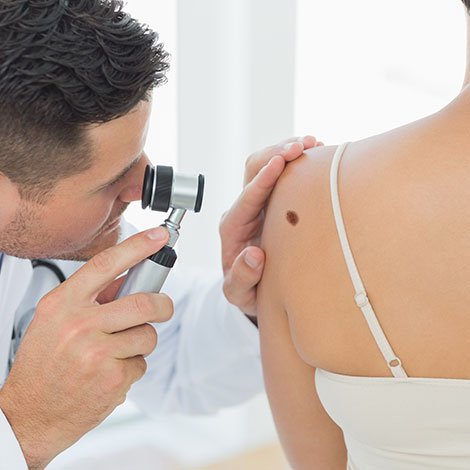
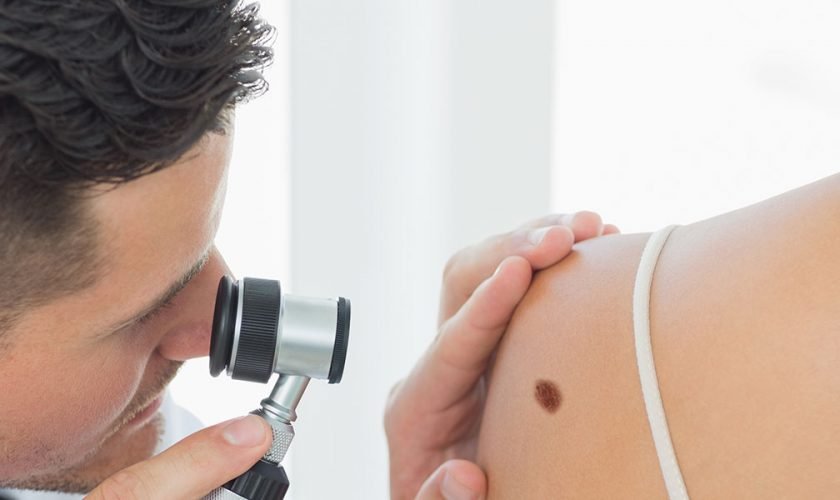
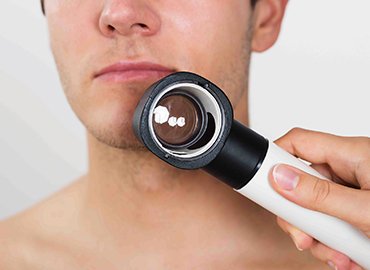
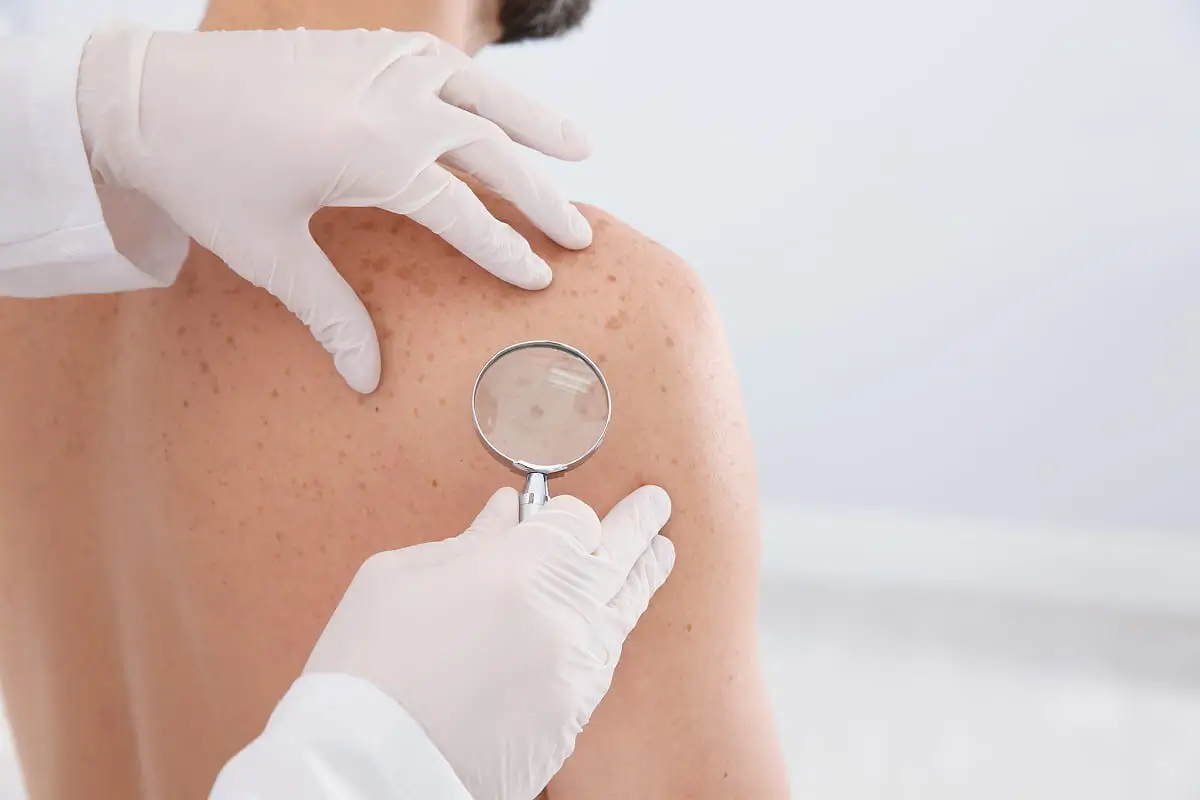
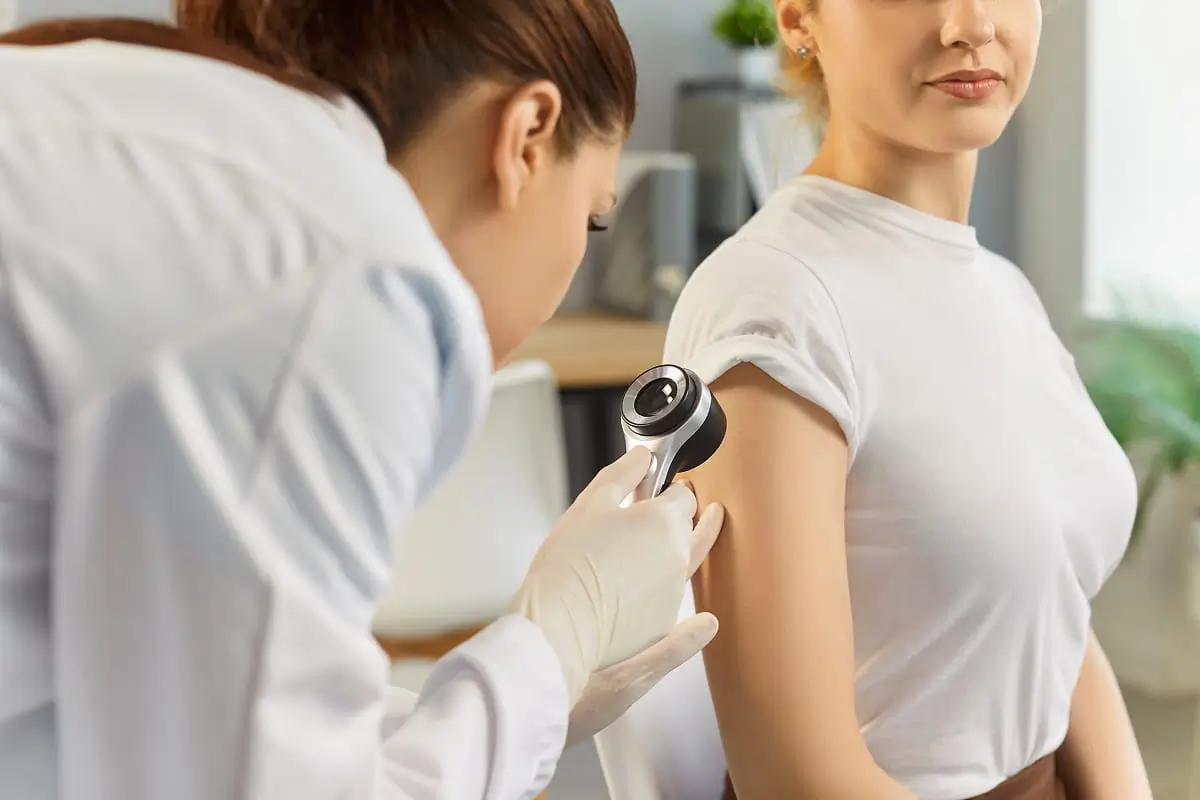
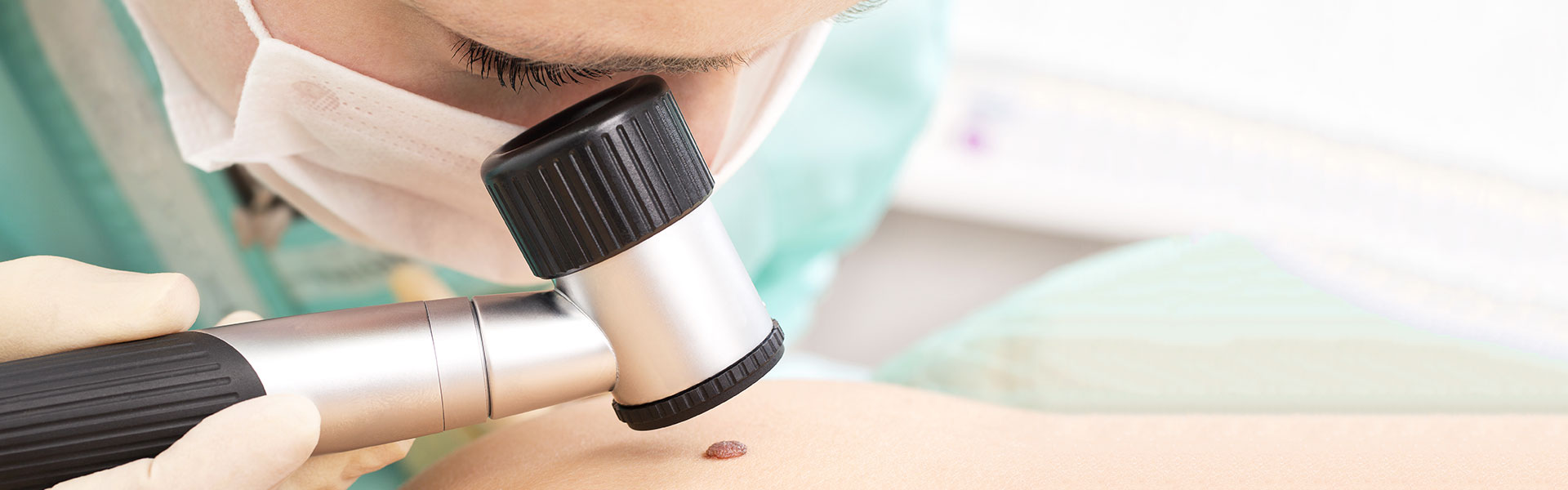
The first step involves our skin cancer doctor putting you through a full body skin check, whereby they examine all spots that they believe to be suspicious with a uniquely designed, non-invasive viewing instrument called a dermatoscope. This instrument uses an intense light and enlarges the image of the spot for more detailed analysis.

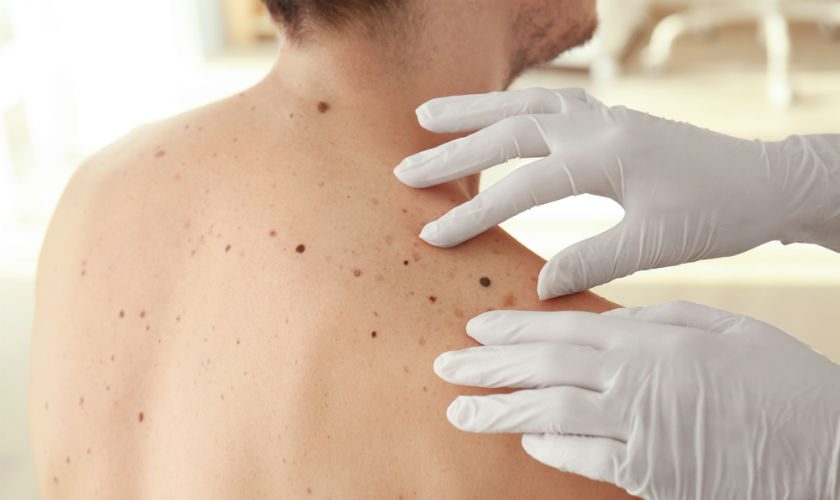
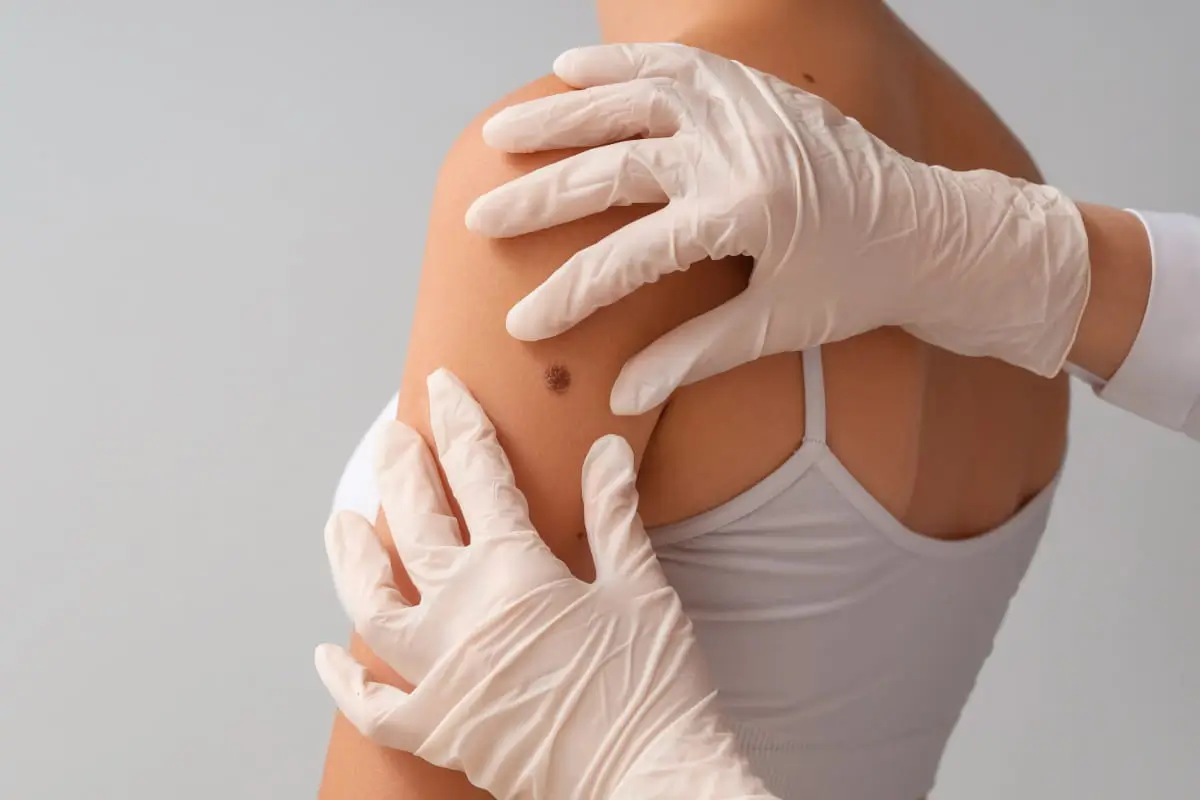
The second step commonly used in a skin cancer check session is a full body photography (mole mapping) where photos are taken of every part of the person’s skin. These images are held in a secure database. When the patient returns to our skin cancer clinic for another session, the doctor will compare the sets of images, looking specifically for changes in various parameters of any potentially suspicious moles.

If you’re wondering where can I get a mole check near me? Mole Check Clinic has locations across Melbourne, making it easy to book an appointment with an experienced skin check doctor.

Experienced Doctors
Experienced Doctors

Our doctors are fully trained, experienced and focused on skin cancer detection and treatment. Every skin cancer doctor at Mole Check Clinic provides thorough assessments to support early diagnosis and clear treatment pathways.

Latest Technologies
Latest Technologies

Our dedicated skin cancer clinic in Melbourne uses the latest medical optics, photography, software and the most advanced clinical instruments, allowing for detailed imaging during your skin check.

Expert Surgery
Expert Surgery

Our mole check doctors and nurses perform exclusively skin-related procedures, demonstrating the highest level of skill. If treatment is required following your mole check in Melbourne, you’ll receive care in a familiar and supportive environment.

The Key Warning Signs of Skin Cancer

What are the key warning signs of skin cancer?

Clinically significant warning signs fall into three categories: morphological features, symptomatic presentations and temporal changes.

  • Morphological indicators include lesions demonstrating irregular shape with asymmetric architecture, peripheral border irregularity (notched, scalloped or poorly demarcated margins), polychromatic appearance with multiple pigment variations (brown, black, red, blue, grey or white zones), and diameter exceeding 6mm, though size alone is not diagnostic as early melanomas may present smaller.
  • Symptomatic presentations encompass new pigmented lesions appearing after age 30-40, lesions phenotypically distinct from the patient’s baseline naevus pattern (the “ugly duckling” sign), spontaneous pruritus without dermatological explanation, tenderness or pain on palpation, spontaneous haemorrhage without trauma, and persistent non-healing ulcerations beyond 3-4 weeks.
  • Temporal evolution represents the most critical diagnostic parameter any lesion demonstrating progressive changes in size, elevation, colour intensity or distribution, surface texture (smooth to rough or scaly), or developing new symptoms warrants an immediate skin check.
  • Additional high-risk features include translucent or pearly nodules with visible telangiectasias (characteristic of basal cell carcinoma), firm erythematous papules or plaques with hyperkeratotic surfaces (suggestive of squamous cell carcinoma), and lesions arising at sites of chronic inflammation, scarring or previous radiation exposure.

Dermatoscopic examination reveals subsurface architectural patterns, including pigment networks, globules, streaks, regression structures and vascular morphology, significantly enhancing diagnostic accuracy beyond naked-eye clinical assessment.

Early Stage Skin Cancer Typically Appear

How does early-stage skin cancer typically appear?

  • Melanoma: Early-stage presentation includes asymmetric pigmented macules or papules with irregular borders and colour heterogeneity; amelanotic variants may appear erythematous or flesh-toned; lesions typically demonstrate rapid evolution over weeks to months; nodular melanoma presents as rapidly growing, often symmetrical nodules.
  • Basal Cell Carcinoma (BCC): Nodular subtype manifests as translucent, pearly papules with telangiectasias on sun-damaged skin; superficial BCC presents as erythematous, scaly plaques; morpheaform variant appears as indurated, scar-like lesions with indistinct borders.
  • Squamous Cell Carcinoma (SCC): Early lesions present as hyperkeratotic papules or plaques, often arising from actinic keratoses; may demonstrate central ulceration, indurated margins, and firm palpation; keratoacanthoma subtype shows rapid growth with central keratin plug.

Clinical examination by a skin check doctor incorporates dermatoscopy and baseline photographic documentation for longitudinal comparison.

The Two-Week Guideline for Checking Possible Skin Cancer

What is the two-week guideline for checking possible skin cancer?

The two-week wait (2WW) pathway represents an urgent suspected cancer referral protocol requiring specialist assessment within 14 calendar days of GP identification.

Referral criteria include:

  • Lesions where clinical or dermatoscopic findings suggest melanoma
  • Suspected nodular melanoma (rapid vertical growth phase)
  • Lesions consistent with aggressive SCC (particularly high-risk anatomical sites)
  • Large or infiltrative BCCs requiring specialist management

At Mole Check Clinic, direct-access appointments eliminate referral delays. Patients with concerning lesions receive same-week assessment by Skin Cancer College of Australasia (SCCA)-accredited specialists, with immediate diagnostic capabilities including same-day biopsy when clinically indicated.

Given melanoma’s potential for rapid progression (6-8 week critical window), expedited evaluation optimises prognostic outcomes.

Where does skin cancer most often start?

Anatomical distribution patterns:

Sun-exposed sites predominate:

  • Head and neck region (40-50% of all non-melanoma skin cancers)
  • Upper extremities (dorsal forearms, hands)
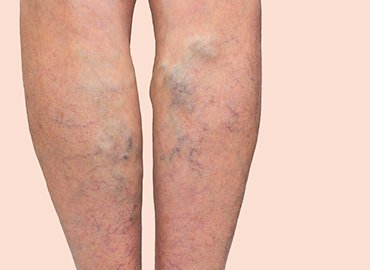
  • Lower extremities (particularly lower legs in females)
  • Trunk (shoulders, upper back are common melanoma sites in males)

Site-specific patterns by tumour type:

  • BCC: Predominantly facial (nose, periorbital, temporal regions), scalp in males with alopecia
  • SCC: Head/neck, dorsal hands, lower legs; higher incidence at sites of chronic inflammation or scarring
  • Melanoma: Gender-specific patterns males show increased back/trunk involvement; females demonstrate higher lower-extremity incidence

A comprehensive full-body skin examination (FBSE) conducted by a skin cancer doctor remains essential, as approximately 30% of clinically significant lesions occur in anatomical locations inaccessible to patient self-examination.

How can I tell if a mark could be skin cancer?

Apply the ABCDE algorithm systematically to suspicious lesions.

ABCDE Criteria:

  • Asymmetry: Morphological irregularity where lesion halves don’t match
  • Border irregularity: Notched, scalloped edges or pigment extension beyond margin
  • Colour variegation: Polychromatic appearance or focal darkening
  • Diameter: >6mm (though early melanomas may be smaller)
  • Evolution: Recent changes in size, elevation, colour or symptomatic presentation

Additional High-Risk Features:

  • New pigmented lesions appearing post-age 30-40
  • Lesions phenotypically distinct from baseline naevus pattern (“ugly duckling” sign)
  • Non-healing ulcerations persisting >4 weeks
  • Spontaneous haemorrhage without trauma
  • Unexplained pruritus or tenderness

Diagnostic Limitation: Visual inspection alone demonstrates suboptimal sensitivity. Dermatoscopy reveals subsurface architectural features pigment networks, vascular patterns and regression structures improving melanoma detection accuracy by approximately 30%.

Clinical Recommendation: Lesions meeting these criteria warrant specialist dermatoscopic evaluation. Mole Check Clinic provides same-week assessment with SCCA-accredited specialists across 6 Melbourne locations no referral required.

Epidemiological distribution by anatomical region:

Highest-incidence sites:

  • Cephalic region (50-60% of BCCs) particularly nose, periorbital, temporal areas
  • Auricular region (high-risk site for both BCC and SCC)
  • Scalp (males with androgenic alopecia)
  • Cervical region (anterior and lateral neck)
  • Upper extremities (dorsal forearms, hands-occupational exposure)

Melanoma demonstrates gender-specific patterns:

  • Males: Posterior trunk (interscapular region), head/neck
  • Females: Lower extremities (tibial/fibular surfaces predominate)

Acral melanoma (palmar, plantar, subungual) represents 2-3% of melanomas in Caucasian populations but higher proportions in darker-skinned individuals.

Clinical implications: Comprehensive examination protocols must include assessment of all cutaneous surfaces, including typically occluded areas (intertriginous zones, anogenital region, oral mucosa) and difficult-to-visualise sites (scalp, posterior trunk, interdigital spaces).

Australian UV indices (regularly 11-14 during summer months) contribute to cumulative photodamage across all chronically exposed anatomical sites, necessitating annual full-body skin examinations for average-risk patients and biannual surveillance for high-risk cohorts.

In The News

Frequently Asked Questions

How can I check for skin cancer?

You can start at home by using the ABCDE guide to look for changes in moles. However, the most reliable way is to book a professional skincheck with a qualified skin cancer doctor. At Mole Check Clinic, we use dermatoscopy and full body imaging to provide a detailed melanoma scan that allows for comparison over time.

Where can I get my skin checked?

If you’re searching online for “skin mole check near me”, look for clinics that offer full body photography and dermatoscopy. At Mole Check Clinic, we have 6 locations across Melbourne, providing locals with easy access to experienced clinicians and advanced technology.

How often should I get a skin check?

For most Australians, an annual skincheck is recommended due to our high UV exposure. If you have a history of melanoma, many moles or a family history of skin cancer, your skin check doctor may suggest checks every six months. Regular monitoring at a trusted skin cancer clinic in Melbourne helps track any changes early and keeps your molecheck history up to date.

Are skin cancer checks free?

Some skin check appointments may attract a Medicare rebate, with fees varying depending on the level of assessment. A comprehensive visit at a skin cancer clinic in Melbourne often includes dermatoscopy and imaging, which may involve an out-of-pocket cost. If you’re wondering “how much do skin checks near me cost?”, we recommend contacting your local Mole Check Clinic location to confirm pricing

What are the four types of skin cancer?

The four main types are melanoma, basal cell carcinoma, squamous cell carcinoma and Merkel cell carcinoma. Melanoma is the most serious and is often detected during a detailed melanoma scan at a skin cancer clinic. Basal and squamous cell cancers are more common and usually linked to sun exposure, which is why routine mole check appointments are so important.

How can you reduce your risk of skin cancer?

Limiting sun exposure, especially during peak UV hours, is one of the most effective steps. Wear broad-brimmed hats, protective clothing and SPF 50+ sunscreen daily. Just as important is scheduling regular skin checks with a qualified skin cancer doctor, as early detection can significantly improve treatment outcomes.